

troubleshooting with bread making

I'm taking a online Culinary Class and wanted to share with you some helpful Bread Baking tips. Hope it helps you!
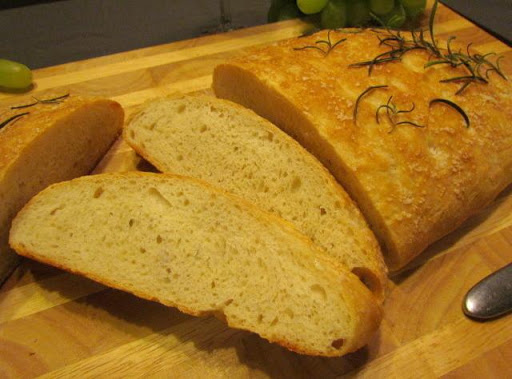
prep time
cook time
method
---
yield
Ingredients
- 1 flour in any recipe that does not specify what kind to use is typically all purpose.
- 2 when scaled dough has been shaped (cut dough such as rolls, buns) gasses can escape from the sticky cut surface, close these cut surfaces giving the dough dry and smooth exterior.
How To Make troubleshooting with bread making
-
Step 1Problem: Heavy dense, raw dough Reason: Too much flour has been forced into the dough Solution: Gradually add more water and check recipe
-
Step 2Problem: Pale Crust Reason: Baking temp is too low, dough is over proofed, too much steam added to the oven Solution: Increase temperature of your oven, Proof to maximum double in size, Briefly open oven door to release steam
-
Step 3Problem: Dark Crust Reason: The oven temp too high or too much sugar in recipe Solution: Decrease oven temp, adjust recipe
-
Step 4Problem: Dense Crumb Reason: Not enough yeast or fermentation time. Too much salt or improper molding technique Solution: Adjust the recipe to allow more time for final proof. Reduce salt, do not overwork when molding your dough.
-
Step 5Problem: Large Holes in bread Reason: too much yeast, not enough punching to release gas Solution: Adjust recipe, punch down properly to release gasses
-
Step 6Problem: Under cooked dough, veins through bread Reason: Insufficient kneading, oven too hot Solution: Work dough until elastic throughout, decrease oven temp.
-
Step 7Problem: Crumb color is too dark Reason: Fat has been omitted from the dough. A yellowish crumb color may also be because the flour has not been bleached at the flour mill Solution: Add more fat (or bread improver), check your flour type
-
Step 8Problem: Streaky crumb Reason: A streaky crumb indicates that a skin developed on the dough Solution: Cover dough properly to prevent drying out
-
Step 9Yeast growth: 131 degrees F = Yeast death 113 degrees F = Highest temp allowing growth 88-95 degrees F = Most rapid growth 75-86 degrees F = Steady growth with good results less than 73 degrees F = slow growth 34-40 degrees F = Storage of yeast, yeast is dormant at this temp.
-
Step 10After kneading as much as YOU think you should...pinch off a small ball of dough. Spread it out with your fingers, if it breaks you haven't kneaded enough, but if it stretches out and you can see through it (like a window) then the gluten is developed :) You can over work your bread dough. :)
- Last Step: Don't forget to share! Post a picture of your finished recipe here and on your favorite social network. Don't forget to tag Just A Pinch and include #justapinchrecipes!
Discover More
Comment & Reviews
ADVERTISEMENT
Just A Pinch Sweepstakes